Important Things to Know About Transload Freight
Welcome to an exploration of transload freight, a versatile and essential component of modern logistics. This article aims to provide a comprehensive understanding of transload freight by delving into key facts, its benefits, processes, cost implications, and challenges. Whether you're new to the concept or looking to deepen your knowledge, these insights will prove valuable.
Transload freight represents a significant shift in how goods are moved and managed within the logistics sector. As supply chain requirements have become increasingly complex, the ability to efficiently switch between transport modes offers strategic advantages. This article unravels the layers of transload operations to reveal their impact on the logistics industry today.
Moreover, with global trade continuing to expand, transload freight provides a flexible solution for meet diverse market demands. By understanding its core principles and functions, businesses can harness transload freight to enhance their logistics capabilities. Prepare to dive into a thorough exploration of this modern logistics innovation.
Understanding the Basics of Transload Freight
Defining Transload Freight
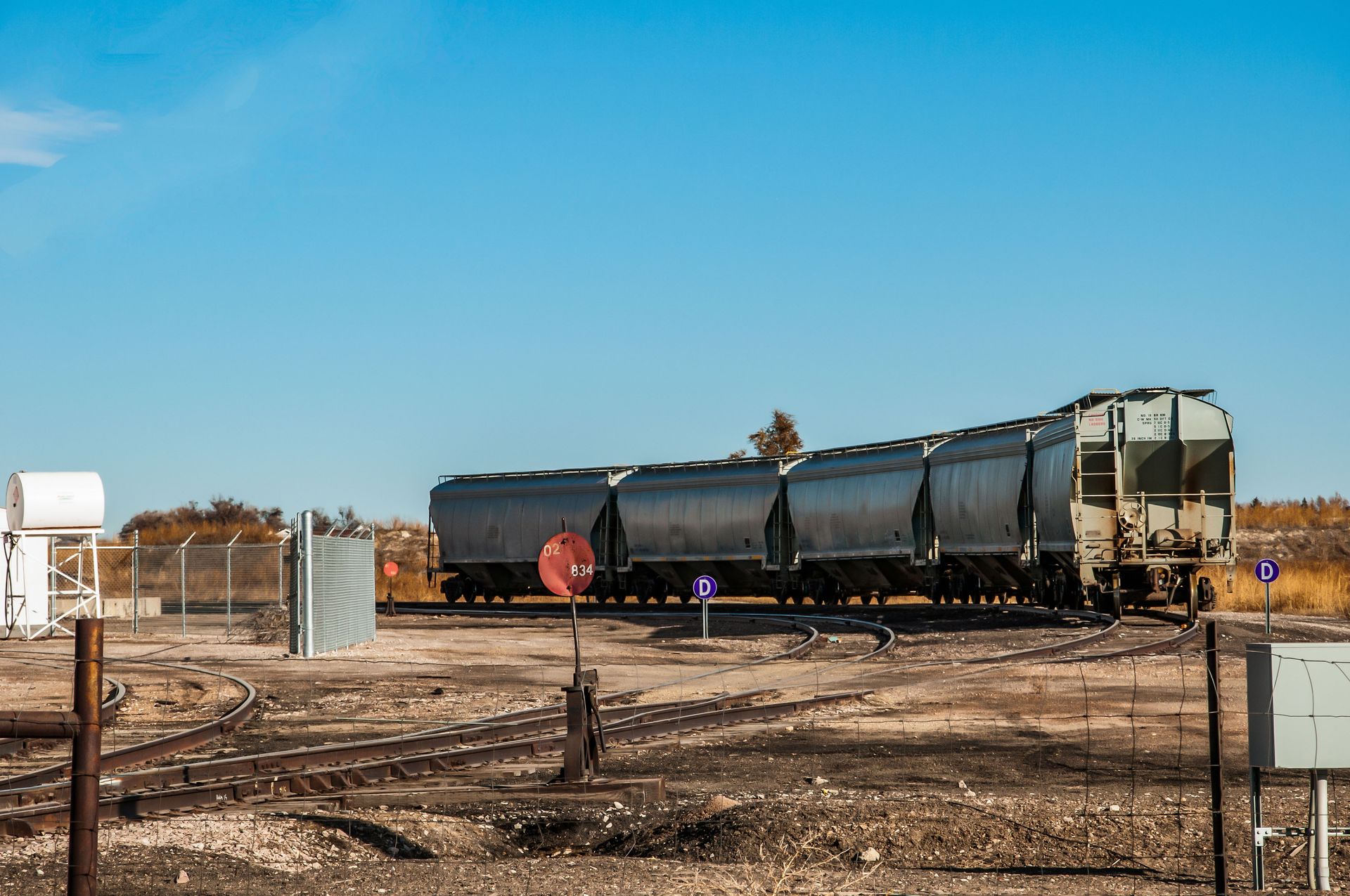
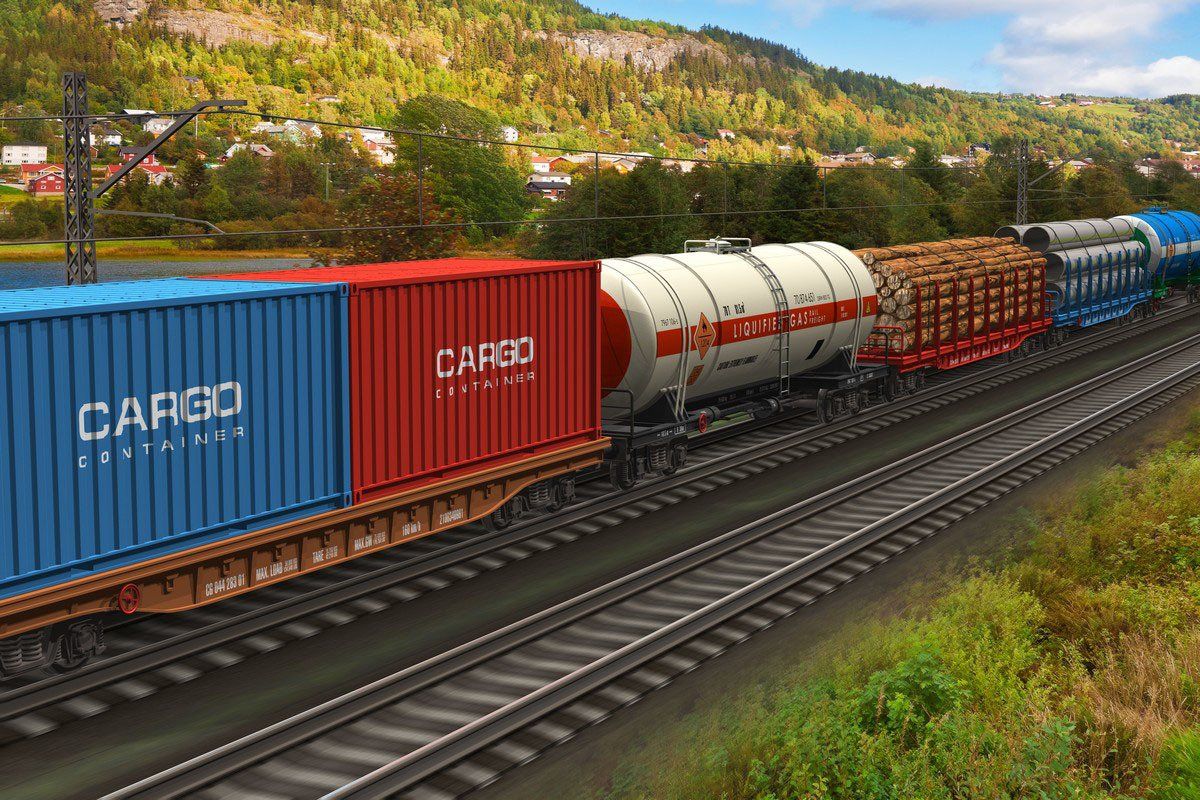
Transload freight involves shifting goods from one mode of transportation to another, often at strategic points like ports or distribution centers. The process is designed to streamline supply chains by optimizing the use of transportation modes. For instance, goods might travel by ship before transferring to a truck for final delivery.
In this manner, transload freight bridges different parts of the logistics network to ensure efficient movement of goods. This method is not merely about moving from point A to B, but about doing so in a manner that maximizes efficiency and reduces costs. Transload freight can thus be seen as an integral component in the logistics arsenal.
The ability to switch transport methods according to needs defines transload operations. It offers the flexibility to adapt to changing demands, a trait highly valued in today's fluid market environments. As a logistics practice, it significantly enhances a company's capacity to respond to challenges and opportunities.
Origin of the Concept
The concept of transloading has its roots in the early days of freight movement, as goods often needed to be transferred between different forms of transportation before reaching their final destination. Historically, transloading became increasingly significant with the advent of railway systems linking distant cities and agrarian communities.
With industrialization and globalization, the need for efficient transfer modes grew exponentially, fostering the development of transloading techniques. It was during the 20th century that transloading gained significant traction, supported by advancements in shipping and cargo handling technologies.
Today, transload freight holds a fundamental role in logistics systems globally, benefitting from technological improvements and innovative handling strategies. As supply chains have become more internationalized, transloading ensures that freight can move seamlessly between regions and transportation networks.
Key Principles of Transloading
The key principles of transloading stem from the necessity to optimize supply chain efficiency and to reduce logistical costs. Central to transloading is the seamless coordination between different transportation modes to achieve efficient transfer of goods.
Another fundamental principle involves reducing handling times and minimizing unnecessary movement of goods. The use of effective material handling systems and trained personnel underscores this principle, as efficient transfers mean fewer delays and lower costs.
Moreover, technological integration plays a vital role, as tracking systems and logistics software enable more precise management of the movement and status of goods. Thus, through adherence to these principles, transloading operations can significantly enhance logistics processes.
Importance in Logistics Industry
In today's logistics industry, transloading is indispensable for allowing companies to adapt to dynamic market conditions and geographical constraints. It provides a strategic alternative to dedicated transport systems, enabling flexibility in how goods are moved and reducing dependency on single transport modes.
Given the global nature of trade, the ability to effectively use transload freight can influence a company’s competitiveness. Transloading allows companies to rapidly adjust to changes in demand, reroute shipments in response to disruptions, and leverage cost efficiencies not available in more rigid systems.
Furthermore, according to the U.S. Department of Transportation, by weight and value, the largest percentage of freight move less than 250 miles. This statistic underscores the operational significance of transloading facilities that facilitate regional distribution and relieve congested transport corridors.
Differentiating From Intermodal Transport
Intermodal transport typically entails the movement of goods in the same container or vehicle through an entire journey, using various transportation modes, without handling the freight itself. In contrast, transloading involves transferring freight between different types of transport vehicles or containers.
While both aim to improve efficiency in logistics, transloading provides additional flexibility to respond to logistical needs on shorter notice. Intermodal transport is often preferred for longer distances, where maintaining container integrity is beneficial.
On the other hand, transloading is often better suited to regional shipments requiring rapid changes in transport modes. This distinction makes transloading particularly valuable in time-sensitive deliveries and in situations where shipping line routing changes are frequent.
Benefits of Transload Freight
Cost Efficiency
One of the most evident benefits of transload freight is its potential for cost savings. By allowing the use of different transport modes, logistics planners can choose the most cost-effective means for each segment of a journey, leveraging economies of scale wherever possible.
Transloading enables companies to bypass traffic congested areas by adjusting shipping routes, which can decrease fuel consumption and shipping time. Furthermore, it reduces the need for multiple facilities, as central hubs handle transfers efficiently.
Moreover, by utilizing transloading hubs strategically located near major transport corridors, companies can reduce the distance goods need to travel by more expensive means, such as last-mile delivery, thus enhancing overall logistics profitability.
Process Involved in Transload Freight
Initial Planning and Coordination
The transload freight process begins with meticulous planning and coordination, essential for ensuring efficient transfer operations. Logistics providers must assess cargo types, destination requirements, and transportation mode availability to develop an effective transloading strategy.
This phase involves collaborating with multiple stakeholders, including suppliers, carriers, and logistics firms, to coordinate schedules and manage logistics seamlessly. Effective communication and accurate forecasting are central to aligning these efforts with real-time market demands.
Moreover, logistical software systems play a crucial role in streamlining the planning process, enabling precise tracking and decision-making based on comprehensive data analytics. This planning stage sets the foundation for successful transloading operations.
Load Transfer Procedures
Load transfer is the focal point of transloading operations, involving the transition of goods between different transportation modes. The efficiency of this process directly impacts the overall speed and reliability of supply chains.
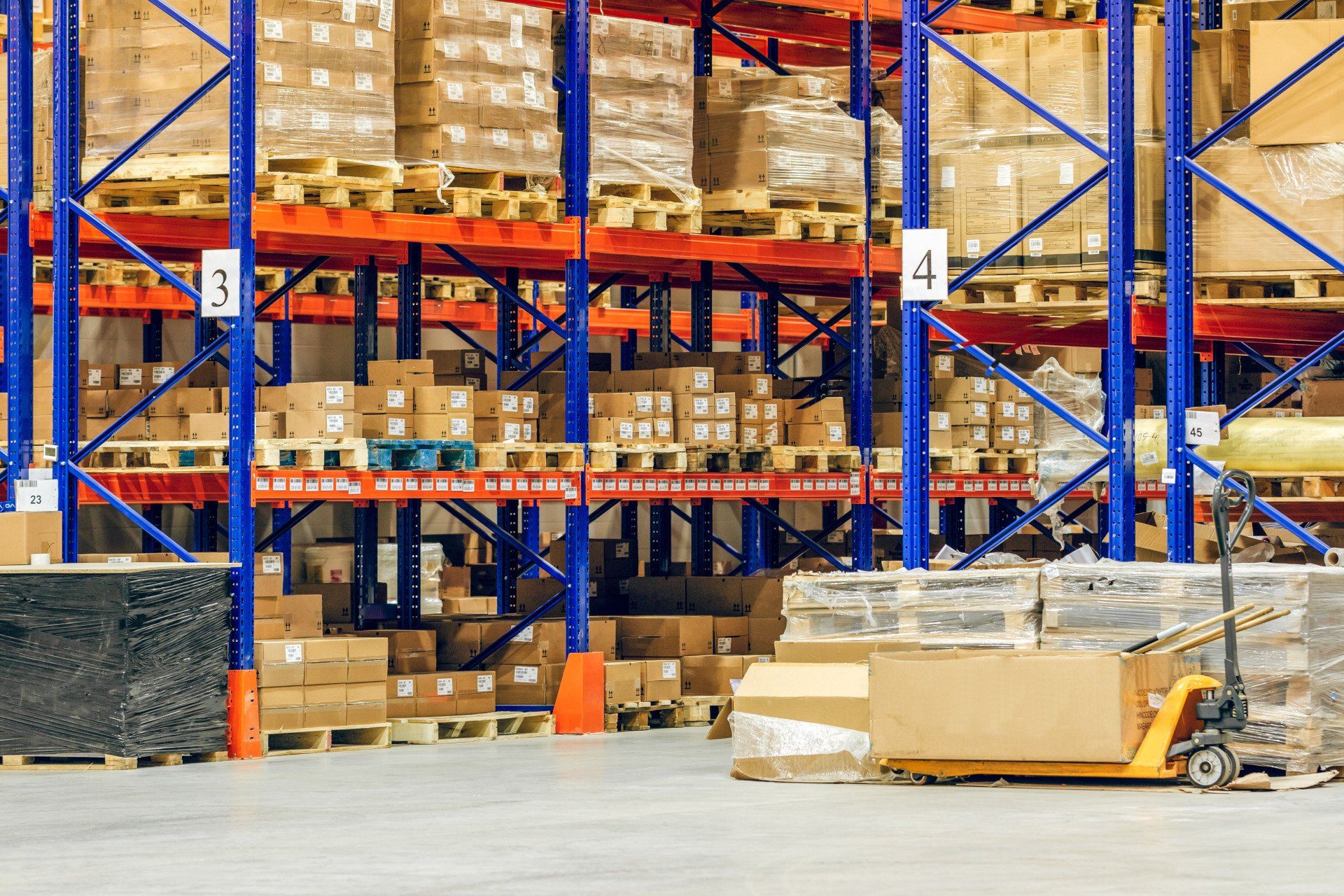
To ensure smooth transfers, logistics providers employ advanced material handling tools and techniques. The use of pallet systems, forklifts, cranes, and specialized transfer vehicles is common to facilitate quick and safe movement of goods.
Security checks and inspection protocols are also integral to maintaining the integrity and safety of the load, ensuring that freight meets quality standards and regulatory compliance throughout its journey. This stage exemplifies the precision required in transloading processes.
Use of Specialized Handling Equipment
The selection and deployment of specialized handling equipment is vital to the success of transloading operations. Equipment such as conveyor belts, automated guided vehicles (AGVs), and mobile gantry cranes enhance the fluidity of cargo transitions.
This machinery is designed to accommodate a variety of cargo types, from bulk goods to containerized freight, ensuring versatility in handling processes. Automation technologies, such as robotic systems, further boost operational efficiency.
Advanced logistics facilities integrate these systems into a cohesive operation that minimizes human error while increasing throughput capabilities. Consequently, the strategic use of handling equipment is a significant contributor to the effectiveness of transloading operations.
Transloading has become an important logistics strategy for businesses that need greater flexibility, efficiency, and control over their supply chains. By transferring goods between trucks, trains, ships, and other transportation methods, companies can select the most practical option for each stage of a shipment. A well-planned transload freight operation can reduce transportation expenses, improve delivery times, and help businesses respond more effectively to changing market conditions.
As supply chains continue to evolve, transload freight will remain a valuable option for moving products across regional, national, and international transportation networks. Companies that understand the process and work with experienced logistics partners can build more adaptable shipping strategies while supporting long-term operational growth. Call Rocky Mountain Rail & Storage LLC today for more.

Share On: